
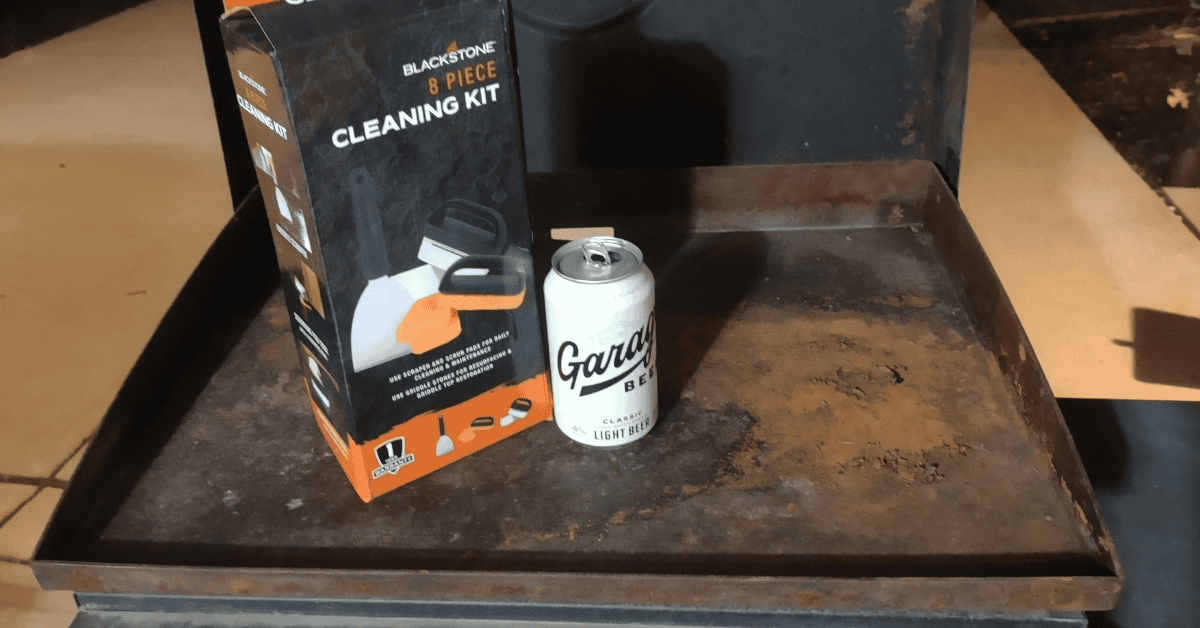
A rusty griddle might look like a lost cause, but it’s almost always fixable. With the right tools and a little elbow grease, you can bring it back to life and get back to cooking.
Below you’ll find simple instructions to remove rust, a full video walkthrough, detailed step-by-step instructions with photos, and answers to common rust removal questions.
Important!: This process is meant for serious rust, not everyday maintenance. For regular cleaning after each cook, check out my guide, How to Clean Your Blackstone Griddle.
Simple Instuctions (Quick List)
- Heat the griddle on high – Let it run for 20 minutes to loosen rust and open the metal pores. The turn your griddle off.
- Scrape the surface – Use a metal scraper to remove as much loose rust as possible. Push debris into the grease cup.
- Oil and scrub – Then add a few tablespoons of cooking oil and scrub with a grill stone, steel wool, or sandpaper until you’re down to clean metal.
- Wipe clean – Use paper towels to remove rust residue and excess oil. Continue adding oil and wiping it off until all the rust is gone.
- Re-season the griddle – Once the rust is removed, follow my full step-by-step seasoning guide here.
Wath The Video
Step By Step Instuctions
Tools You’ll Need
- Scraper (heavy-duty, preferably)
- Grill Brick (or pumice stone)
- Paper Towels
- Oil (Avocado oil works well, but any cooking oil will do)
- I used the Blackstone Cleaning Kit in my video below
Step 1: Heat the Griddle
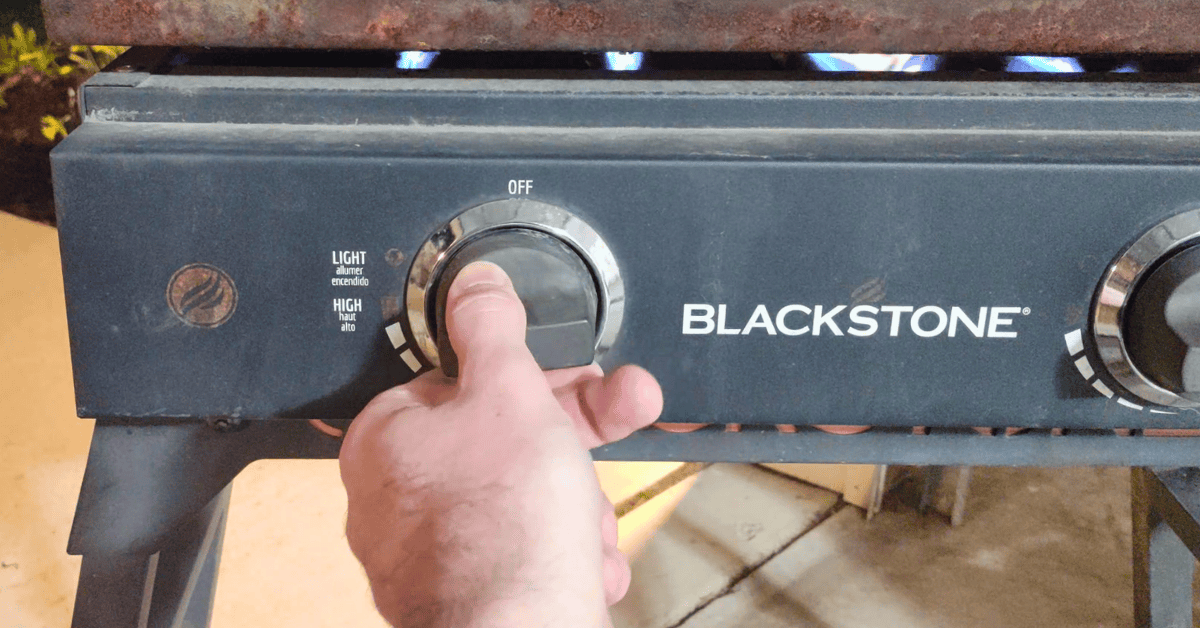
Before you start scraping, turn your griddle to high heat and let it sit for about 20 minutes. The heat will loosen the rust, making it easier to remove. After 20 minutes you can turn the griddle off.
Step 2: Scrape Off the Rust
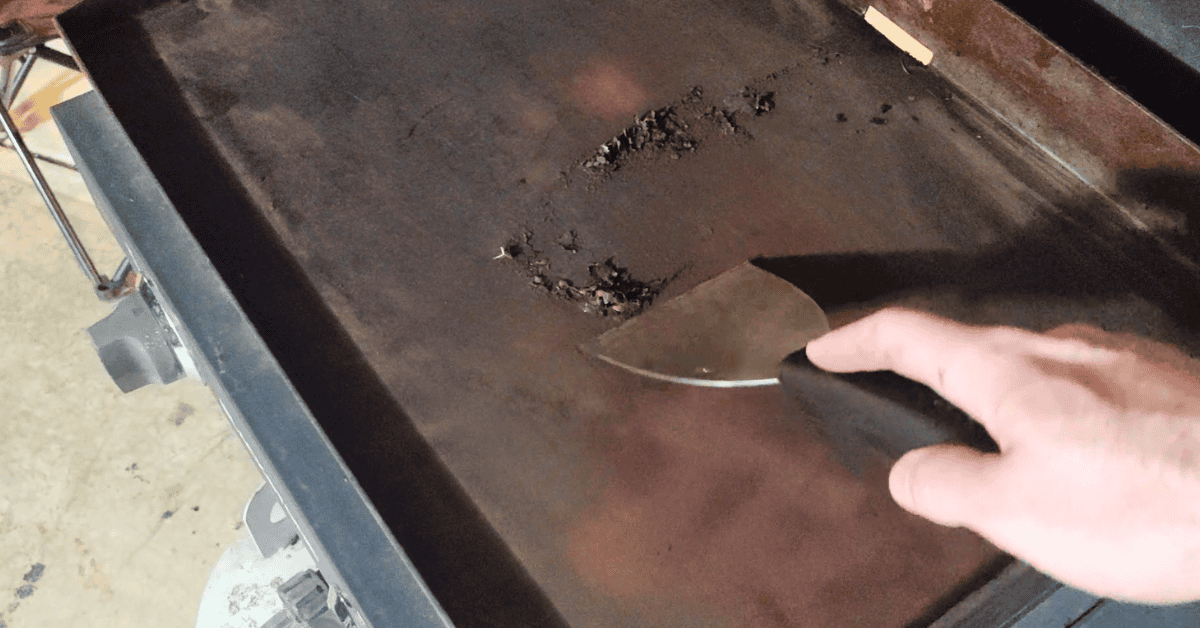
Use your scraper to remove as much rust and debris as possible. Scrape systematically, gathering the debris in one spot, then discard it. If the rust is severe, you might need to repeat this step.
Step 3: Scrub with a Grill Brick
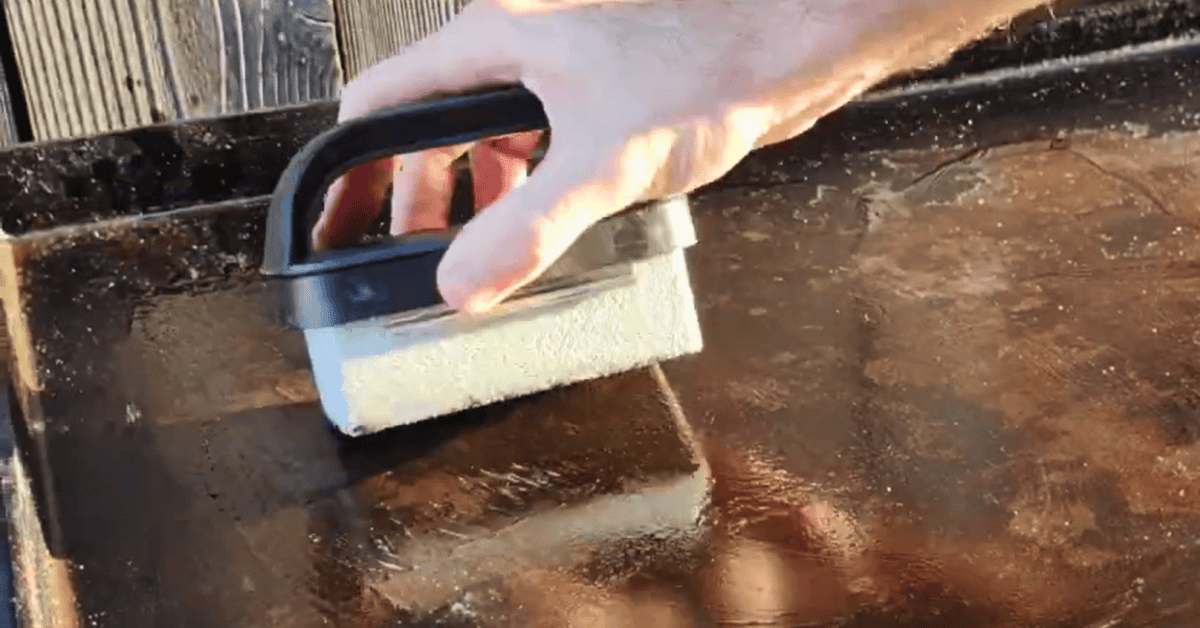
After scraping, squirt 2 to 4 TBSN of oil onto the griddle and scrub it with a grill brick or pumice stone. This will smooth out the surface and remove any remaining rust or uneven spots. Use firm consistent pressure, don't be afraid to put some elbow grease in there.
Step 4: Wipe It Clean
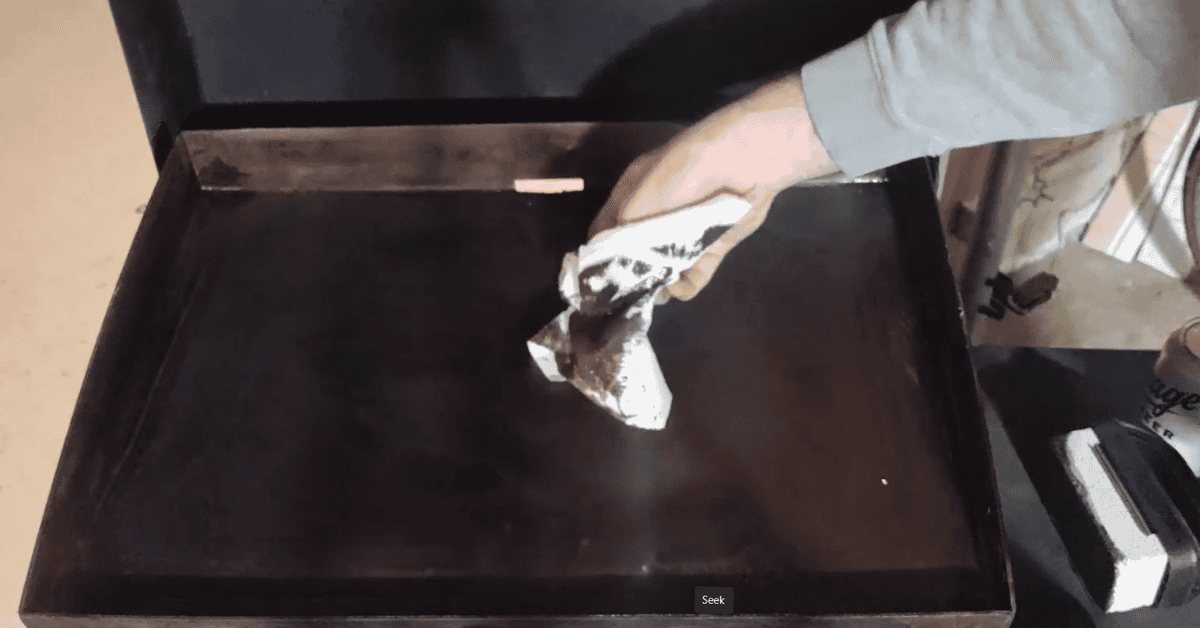
Use paper towels to wipe down the griddle. This step may take several rounds, as you’ll need to remove all the dirty oil, debris, and loosened rust. Add more oil and keep wiping until the surface is clean and free of black residue.
Step 5: Season the Griddle
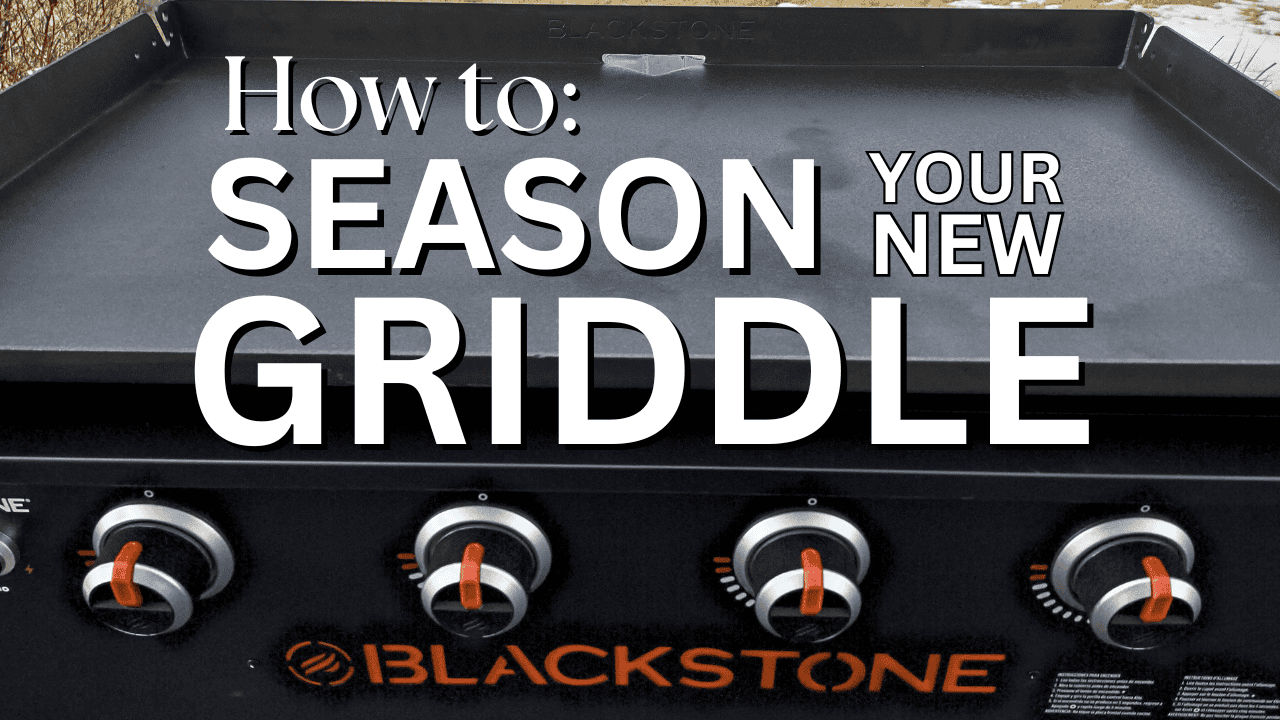
Now that your griddle is clean, it’s time to reseason it to protect the surface and create a non-stick layer. Here's a quick breakdown or click the link below to see my full blog post.
- Turn the griddle to medium-high heat and let it preheat.
- Apply oil to the surface:
- 1 tablespoon for 2-burner griddles
- 2 tablespoons for 4-burner griddles
- Use paper towels to spread the oil evenly over the surface, creating a thin layer. Be sure to coat all areas, including the corners and edges.
- Allow the oil to burn off completely. You’ll know it’s done when the smoke stops (this takes about 15-20 minutes).
- Repeat this process 3-4 more times, applying a thin layer of oil and burning it off each time.
Check out my full blog post on How to Season a Blackstone Griddle!
Step 6: Cook Something Delicious
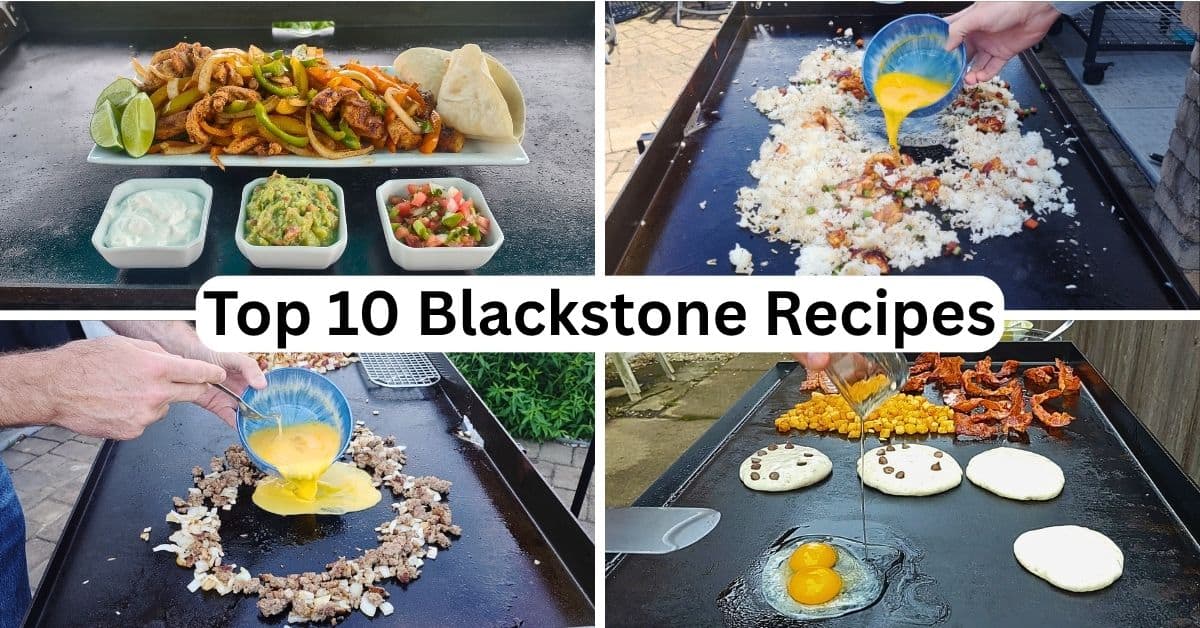
Your griddle is now rust-free and seasoned! Celebrate by making a batch of smash burgers or another favorite griddle recipe. If you are looking for some griddle recipes check out My Top 10 Griddle Recipes. Remember to clean and maintain your griddle regularly to prevent future rust buildup.
Final Tips
- Keep your griddle stored in a dry place or invest in a cover to protect it from moisture.
- For light maintenance, scrape and wipe down your griddle after each use, then apply a thin layer of oil.
Frequently Asked Questions
Rust forms when moisture sits on exposed steel. This usually happens if the griddle wasn’t fully dried, lightly oiled after cooking, or was stored in a humid environment.
Heat the griddle, scrape off loose rust, scrub with oil and a grill stone (or steel wool/sandpaper), wipe clean, and then re-season the surface.
Yes. Heating the griddle helps loosen rust and opens the metal pores, making it easier to scrape and scrub clean.
You’ll need a metal scraper, cooking oil, paper towels, and a grill stone, steel wool, or sandpaper for scrubbing.
Yes. Steel wool works well for surface rust, especially when used with oil. Just make sure to wipe the surface thoroughly before re-seasoning.
Yes, especially for heavier rust. Medium-grit sandpaper can help get down to clean metal before re-seasoning.
Yes, after I have it on high for 20 min to loosen the rust I turn it off before scrapping and scrubbing.
Yes, removing rust will also remove seasoning in that area. That’s why re-seasoning afterward is necessary.
Yes. Once the rust is removed and you’re back to clean metal, you need to re-season to protect the surface from moisture and future rust.
Yes. Always dry your griddle completely after cooking and apply a thin coat of oil before storing it, especially in humid climates.
Jim Davidson says
Hi Johnny, I bought your e-book, however, I messed up getting it some how. I guess it's because I'm 86 years old and not very good with a computer. Is there a way to get it again?
jbdj972@gmail.com
Johnny says
Hi Jim,
I just emailed you a copy. Let me know if you have any issues downloading it. Thanks so much for your purchase.